
September came and went, and I didn’t publish a single thing here.
I had every intention of writing. Instead, I traveled, taught workshops, sat in rooms with tribal Elders and senior conservationists, and frantically collected materials like a squirrel caching nuts.
So, for all the new people who have arrived here recently (and there are a surprising number of you now, I am so grateful!) I thought I might simply tell you what I’ve been up to, where I come from, and where I think I’m going. A more informal post before we get back to the essays I have planned on life ways in the Northern Forest and an update at the end of the post.
At the heart of this all is a dream I’ve been working steadily towards for the last decade, since 2016.
This August, I visited a Viking ship built in the 70’s, by Robert Asp. Today the ship is housed at the Hjemkomst Center in Moorhead, Minnesota.
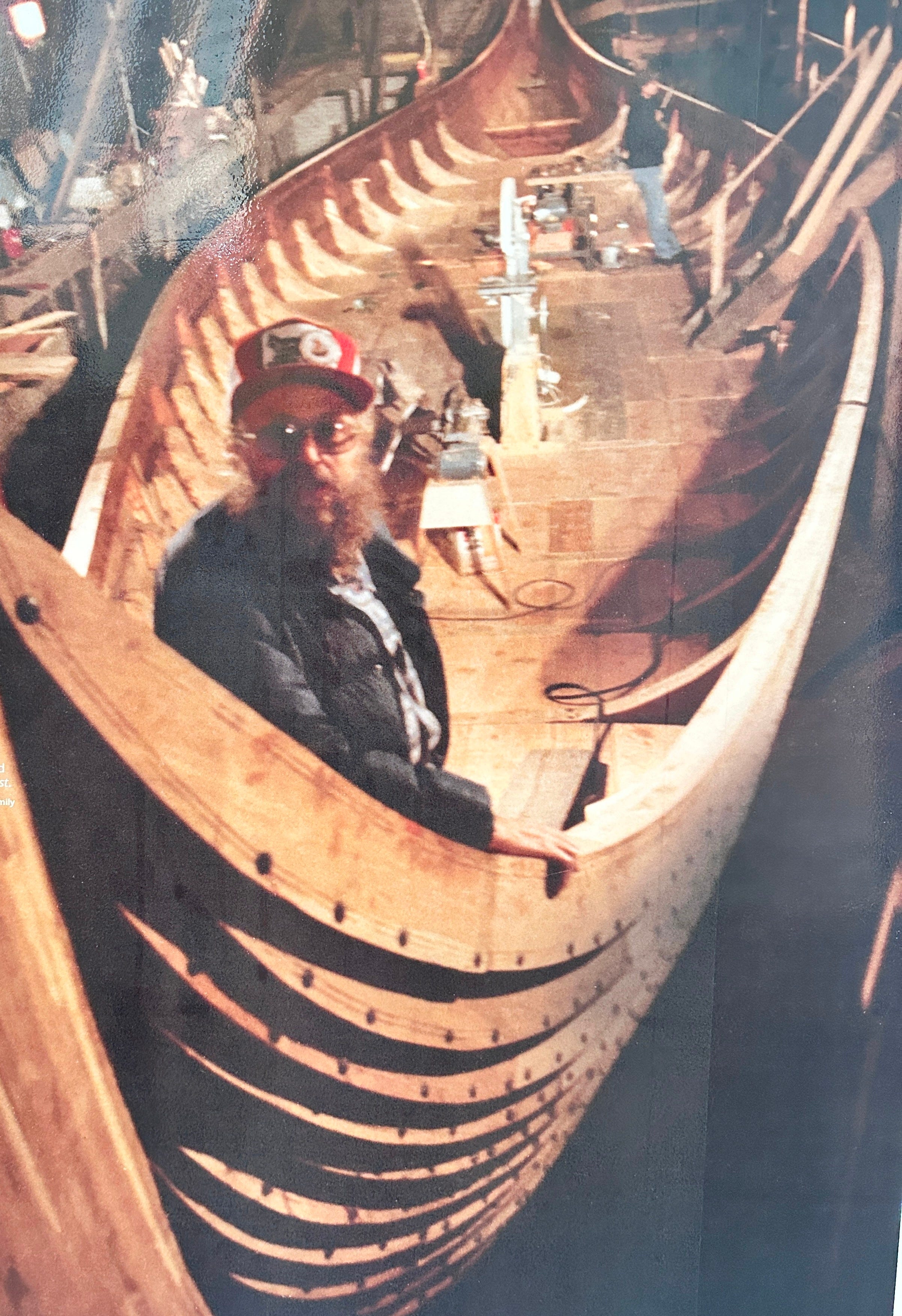
Asp was a school guidance counselor who decided, rather improbably, that he wanted to build a Viking ship - and not just a model of one.
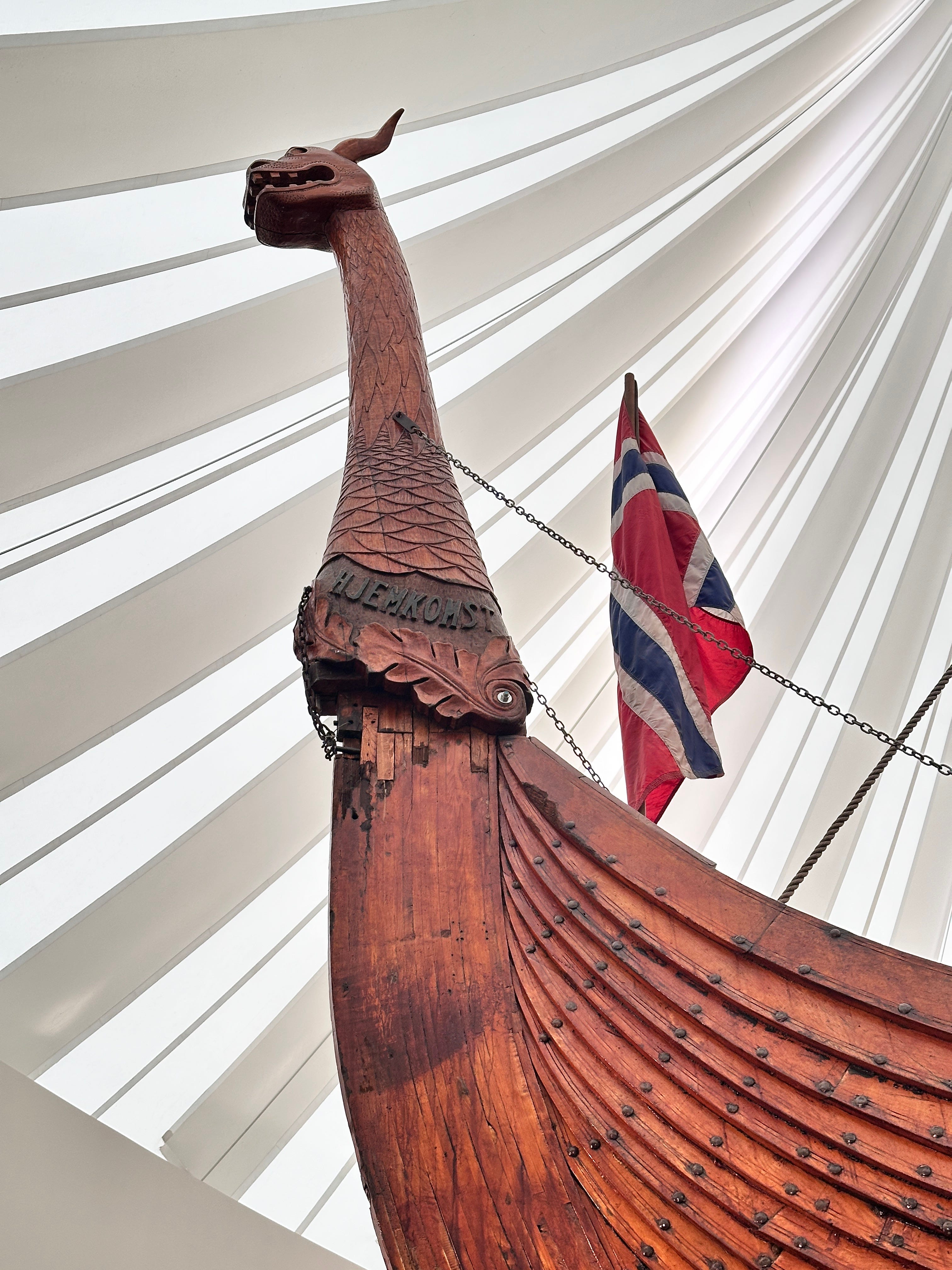
He recreated the Gokstad ship: a 78 foot ship dating back to around 895 C.E., the heart of the Viking Age. This is a ship Floki from Vikings would have built. A couple of Norwegian farm boys unearthed the ship in 1880, as they started digging a burial mound.
About 100 years later, Asp, with a few pages of plans, a planer and rough hewn logs of Minnesota white oak, started building the ship in an old potato warehouse in Hawley, Minnesota.
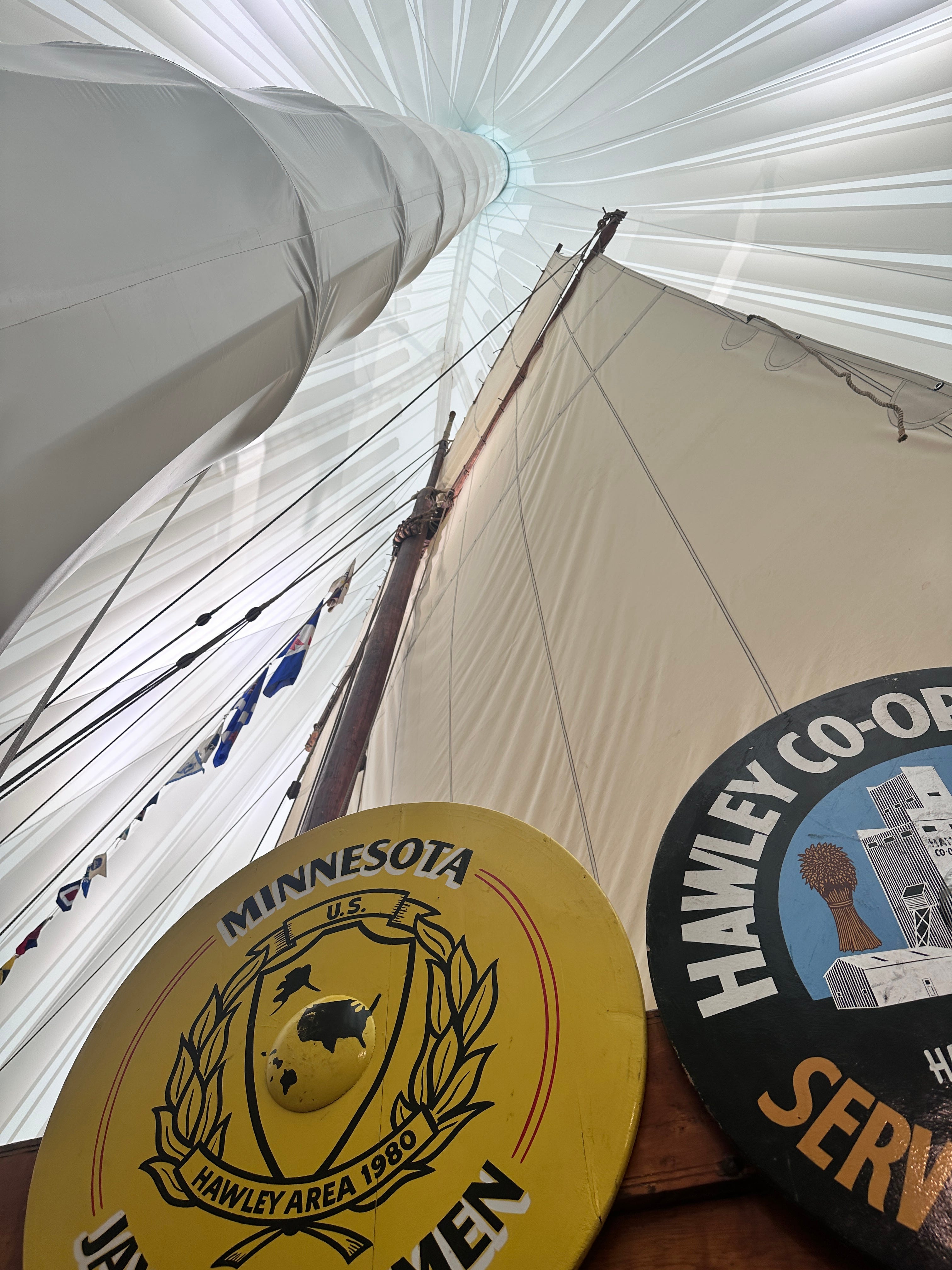
I love the story; full of grit, determination, love, fun and community. The ship’s Viking shields are the Lion’s Club and the Electrical Co-op. The local school kids collected pop cans to cast the rigs in aluminum.

The story is tragic, too. Asp’s life ended too soon due to lukemia.
What stayed with me was not just the improbability of the ship’s voyage and how cool it is to see in real life….but the urgency of it.
Life is short. Build the thing. Ask people to help. Give it what you have and see what it becomes.
After 6 years of building, Bob Asp sailed the ship on Lake Superior, months before he passed. A couple years later, in July of 1982, his kids sailed the ship to Norway in his memory.
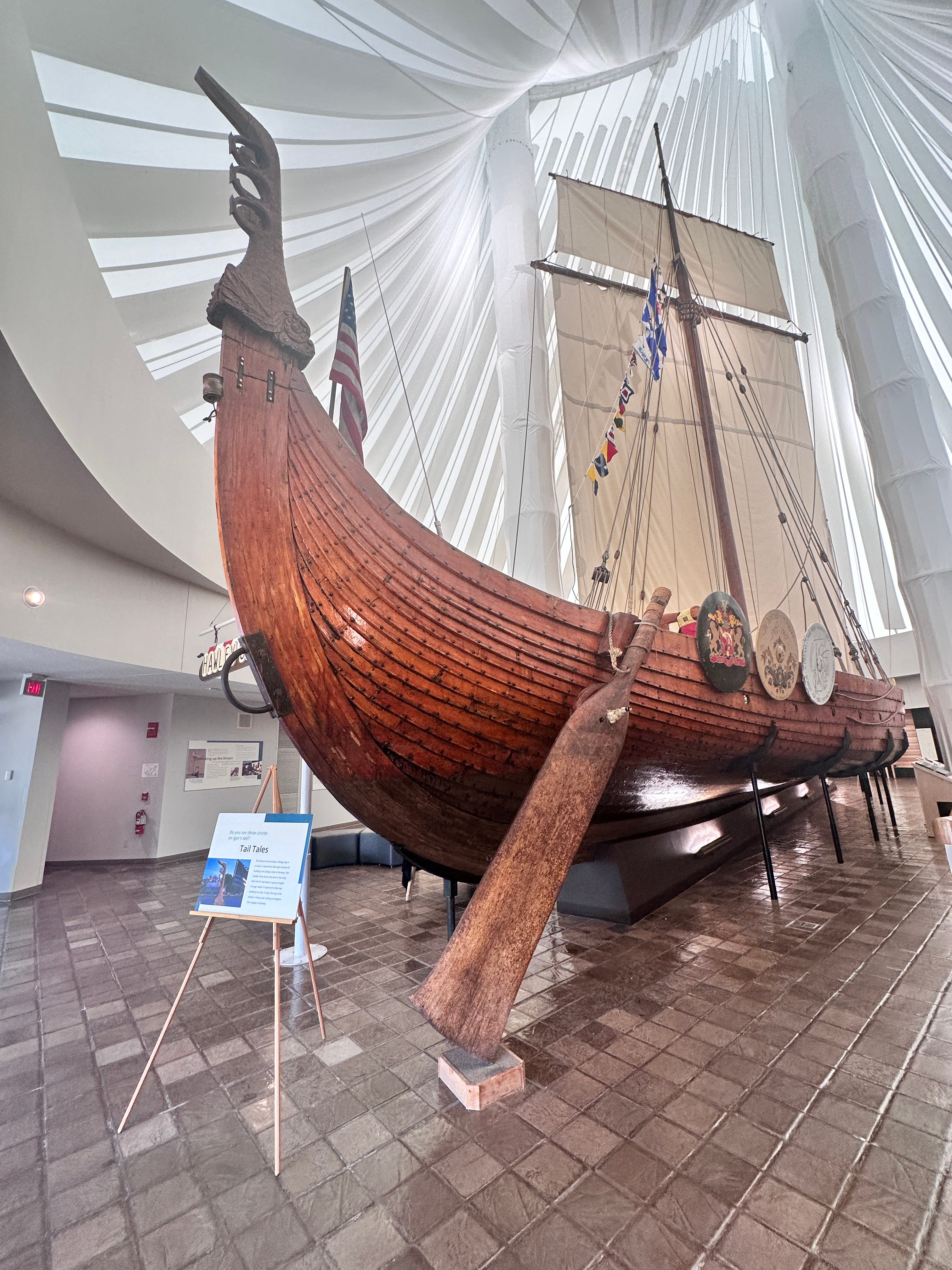
The ship’s name is Hjemkomst, meaning “homecoming” in Norwegian.
❈
This little project I’ve titled Boreal Folkways is, in some ways, my own slightly unreasonable idea.
For those of you who are new here, I am an artist, educator, crafts person, and lifelong student of northern places.
My family is from the Lake Superior region, and I grew up in northwest Montana. I now live and teach in the community that raised me. My family roots for the most part reach back to Sweden, Norway and northern Poland.
The landscapes that have shaped me are cold ones: spruce and birch forests, rivers, wetlands, lake country, snow and ice, animals moving through willow brush and dogwood, working towns, old cabins, hunting camps, fishing boats, gardens of spinach, green beans and raspberries, chipmunks in the woodpiles.
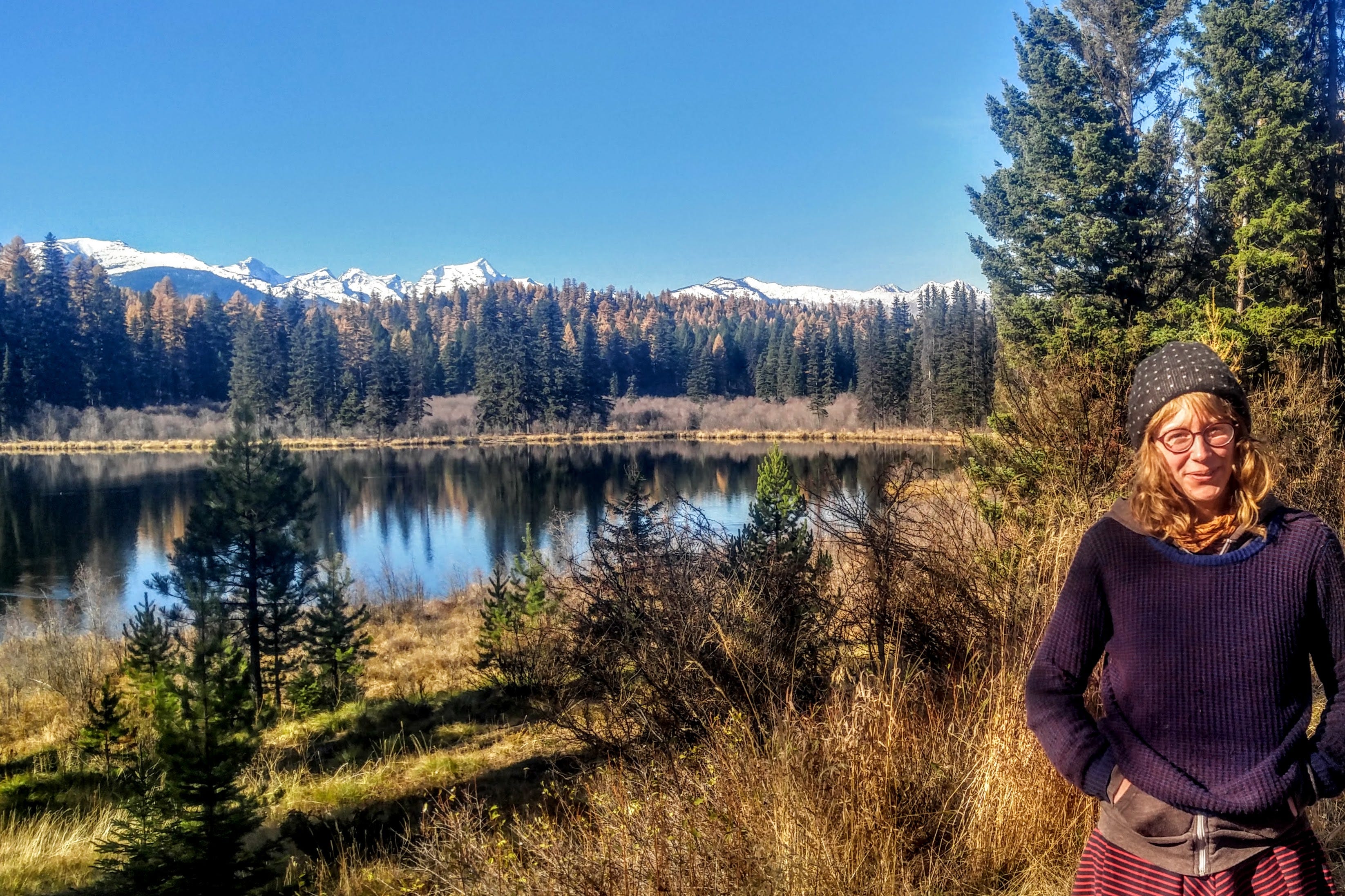
The boreal forest is not an aesthetic to me.
It is home.
The boreal is also the largest terrestrial biome on Earth. It circles the Northern Hemisphere.
I love seeing photographs of reindeer herders in Mongolia against the brilliant blaze of autumn larch trees.

We are connected by the boreal.
And it is changing rapidly.
Across parts of its southern range, forests are thinning and contracting while tree cover shifts northward with a warming climate.
❈
I used to paint nature in plastic. When I started out on my own I no longer had a reliable place to store my paintings, so I burned them.
The thick smoke spiraled from the sickly green ashes.
I wanted so badly to understand the world I was painting, but felt increasingly estranged from the beings I captured on canvas in petroleum.
So I embarked on a journey, in many ways similar to the one that I see in Bob Asp’s work.
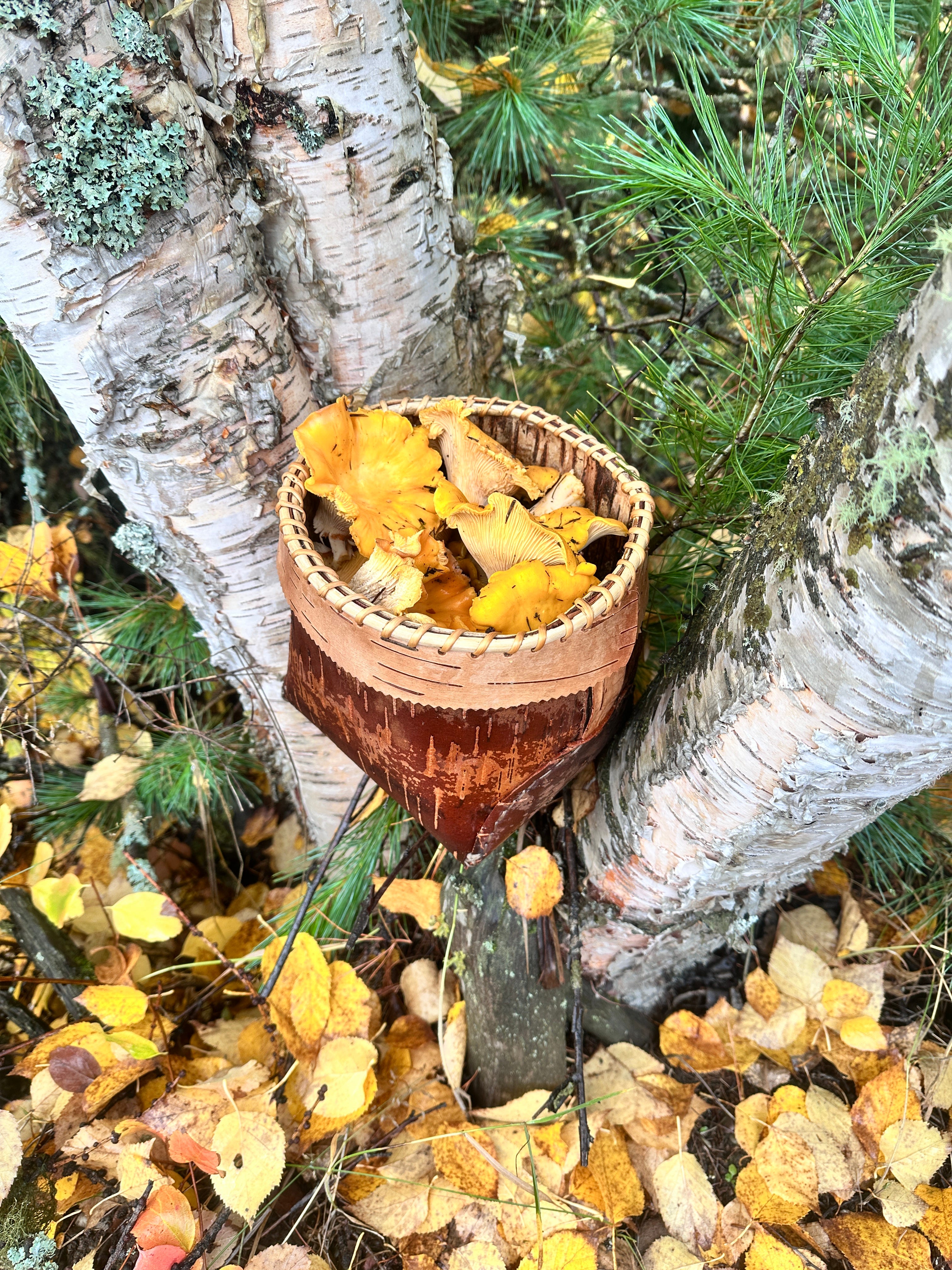
I returned to my hometown and started repairing my relationship with my family, learning how to hunt and fish from them. I picked up the old rhythms of mushroom foraging and berry picking that I had rejected in my teenage years.
This is why I write about ecology, and why I teach.
And it is increasingly why I am interested in folk schools.
September was a good example of how all of these threads keep weaving themselves together.
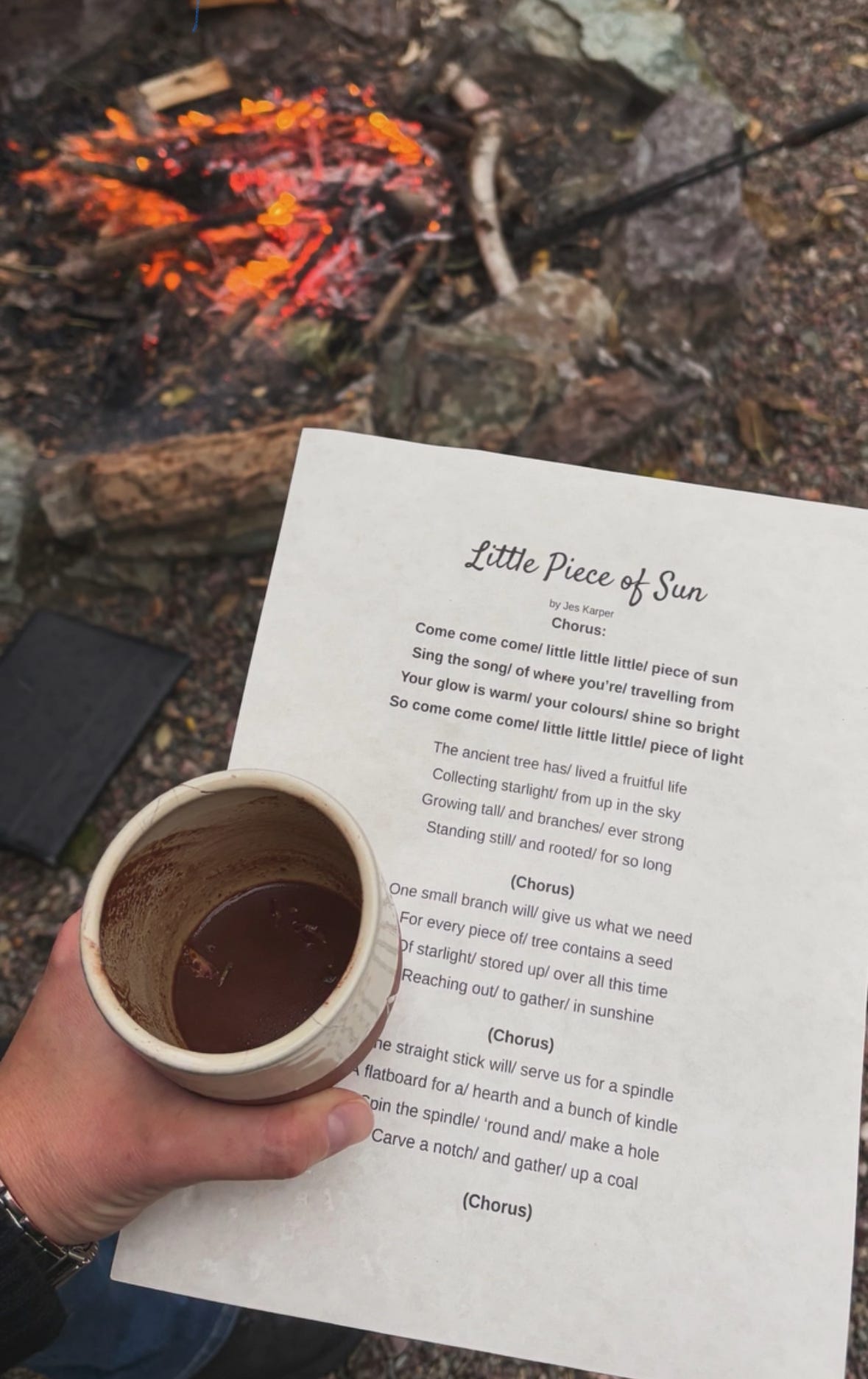
I taught three community workshops this month! Friction fire, needle felted toadstools, and eco-printing cotton with fall leaves.
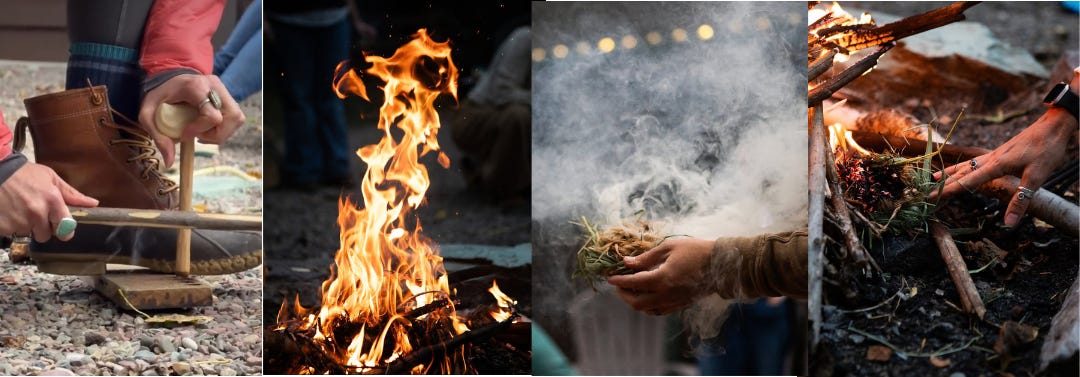
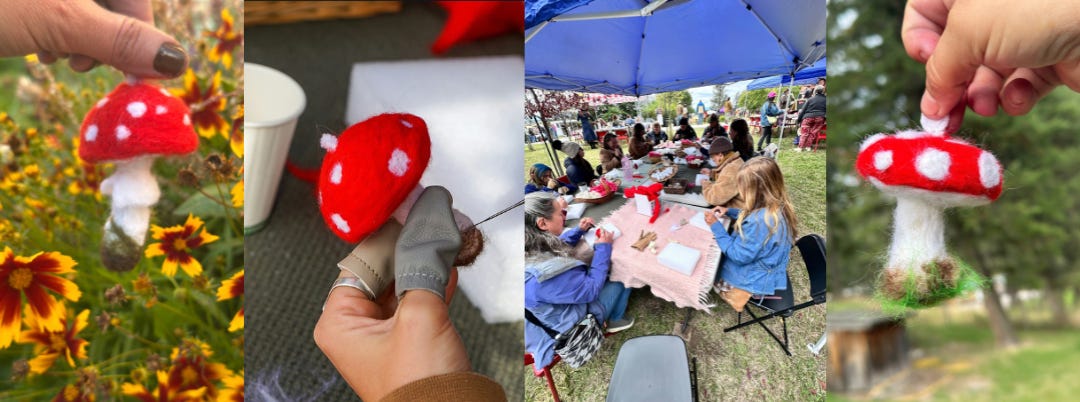
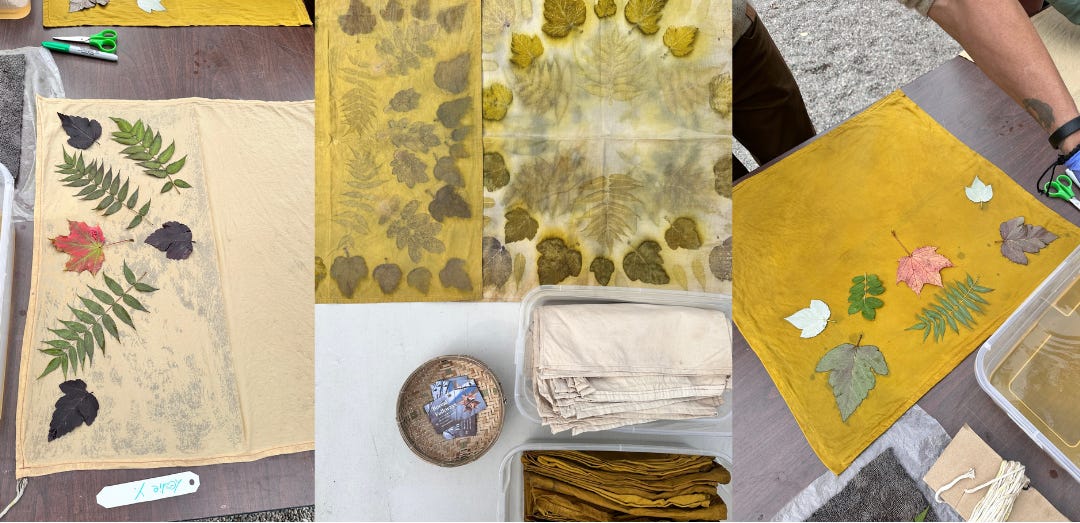
There were plants and fibers and fire and people laughing together, strangers sitting around tables making things with their hands.
Every time I teach outside of a traditional classroom, I am reminded how hungry people are for this kind of learning. It is the same appetite that drew me to this work.
People want to participate, they want to touch the materials and understand the creature, the tree, the body of earth where something came from.
They want to sit beside someone else and learn something that cannot be absorbed through a screen.
At the same time, September meant returning to my day job teaching art at an alternative high school.
My classrooms are a strange and wonderful place. Every hour I teach about ten different art courses in the same room, simultaneously, to about 15-20 students. Due to independent learning, students come and go constantly. A new student can enroll at any given hour of any day.
It can be exhausting. I came into public education after years of working in more holistic models, and I often feel the friction between what I know learning can be and what a large institution is able to make possible.
I understand what education can be when I begin with the actual human being in front of me.
I’ve written lesson plans that weave my experience in outdoor education with my passion for ecology, folklore, art and history. Montana’s state constitution mandates that I teach Indian Education for All (IEFA). This changed my life as a high school student, and now as a teacher, I take it seriously.
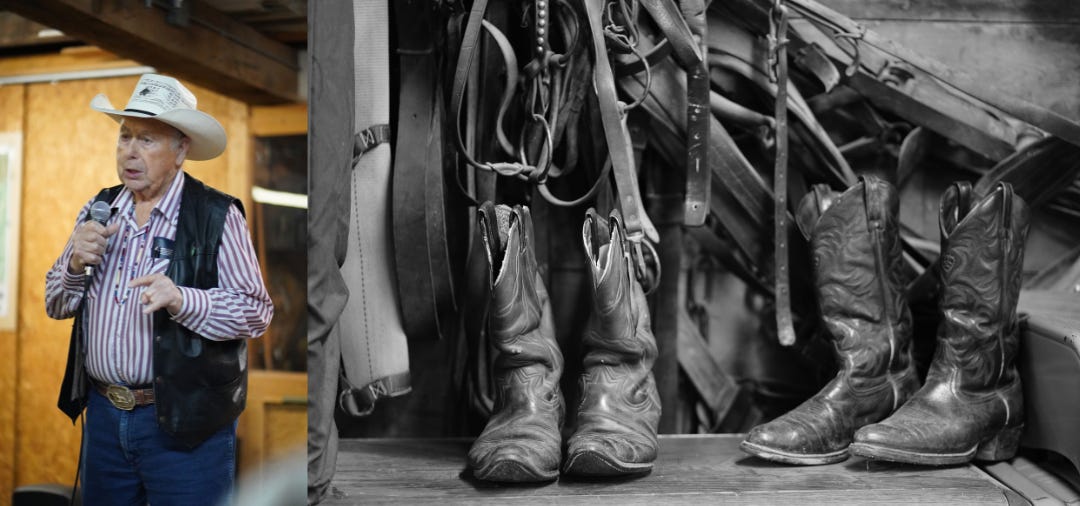
That work led me, in September, into conversations with the Montana Conservation Elders. I shared a room with Smoke Elser, of the Cowboy Hall of Fame, in his barn in Missoula. Salish and Kootenai elders Myrna Dumontier and Tim Ryan joined to share their research on cultural scarring of Ponderosa trees and impacts of wildfire. Rick Bass read an unpublished essay about the old growth logging in the Yaak that brought tears to my eyes. A woman played a guitar made from one of the spruce trees and sang Montana’s state lullaby.
My heart ached.
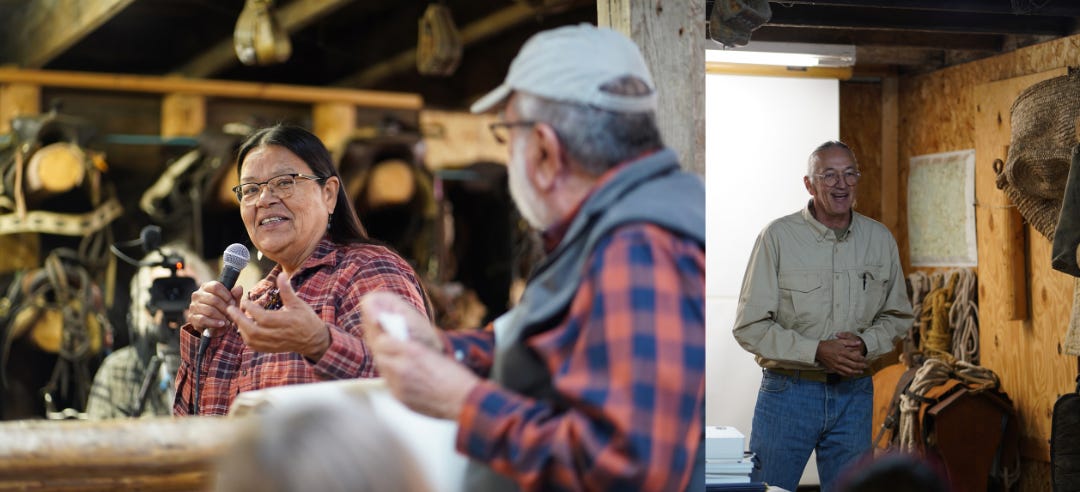
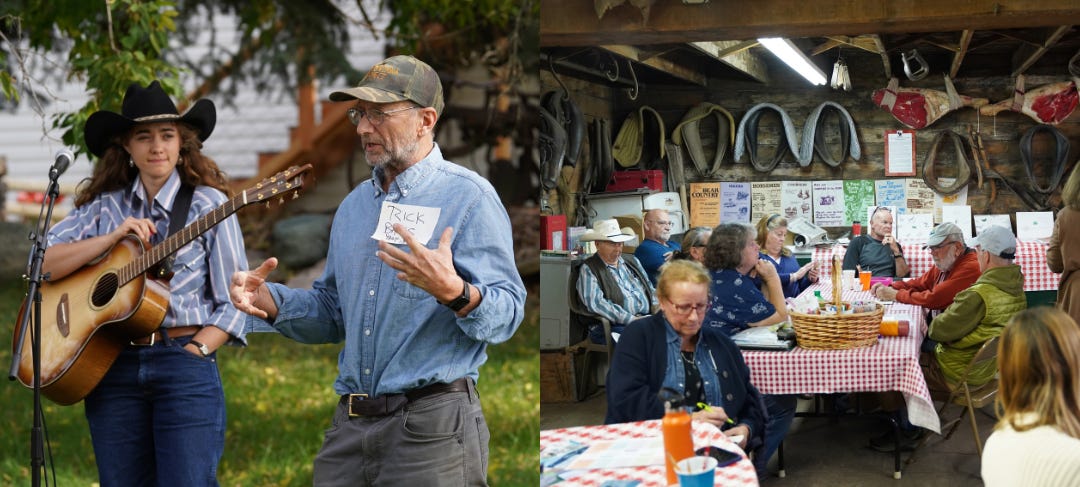
In partnership with the Library of Congress, I’ve started a fellowship as a Wilderness and Public Lands Scholar. Currently I am developing an environmental art and document-based inquiry unit centered on the Kootenai and Flathead rivers and watersheds, and the current International Joint Commission (IJC) called underneath the Boundary Waters Treaty of 1909. This IJC is historical in that it is the first time Tribal Nations have been included in the process. They are trying to address downstream pollution from the largest coal mine in Canada.
I am asking students to look at maps, treaties, species decline, mining, tribal sovereignty, pollution, political boundaries, and public advocacy, and then create artwork about a body of water they are in relationship with.
I care so much about these watersheds because they sustain me.
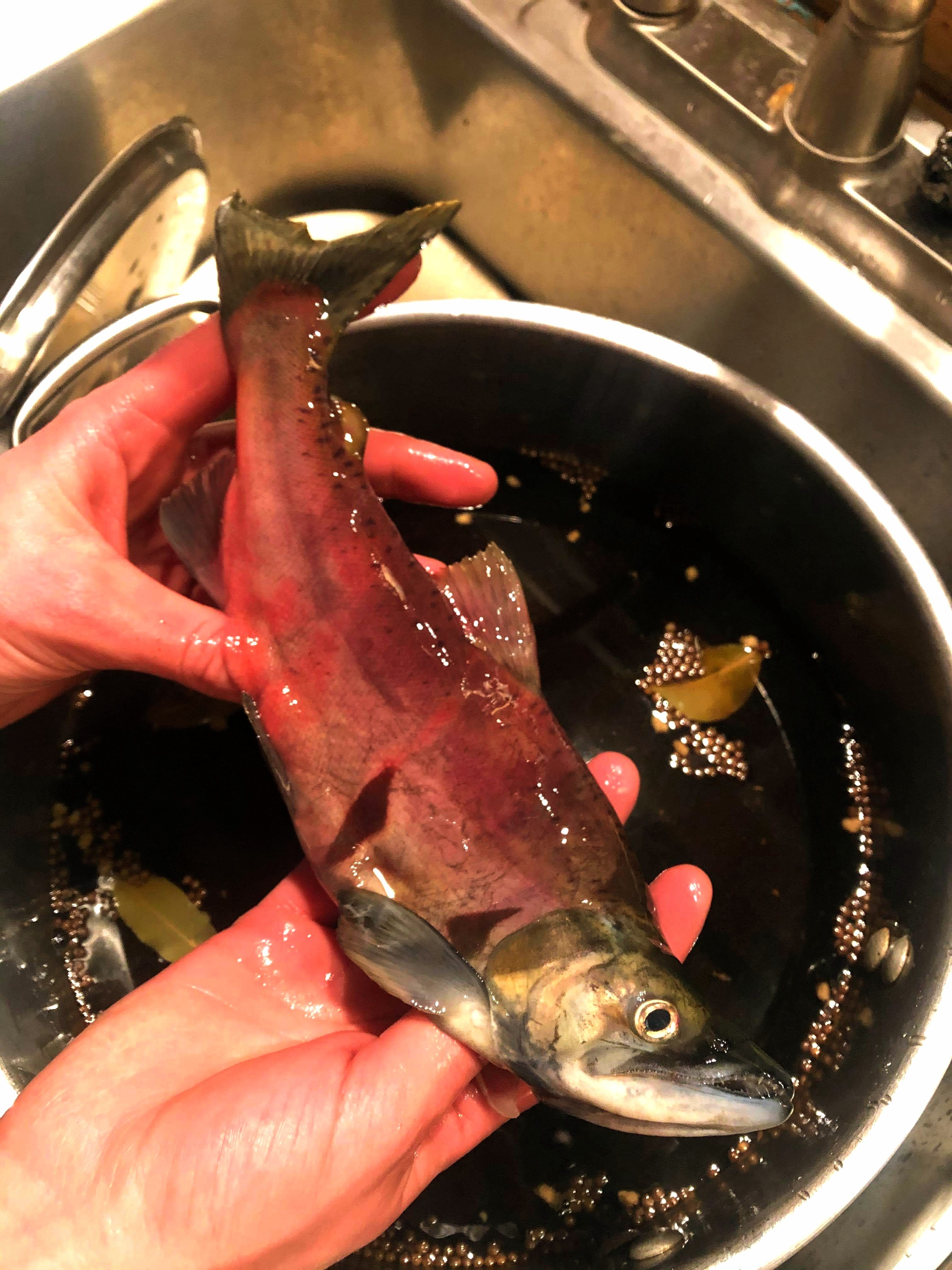
The central question underneath it is this:
What does it mean to understand a river?
This is the territory I keep finding myself drawn toward: the place where art, ecology, traditional knowledge, craft, history, and community overlap.
Which brings me back to the Viking ship.
I don’t actually want to build a Viking ship, but I am increasingly certain that I want to build a folk school.
It may not be a school in the way we usually imagine one. It could begin as workshops, a library of field crafts, essays, basketry kits, an oracle deck that centers ecological relationships.
This is what’s cooking in my pot on the coals right now:
Artists and naturalists and Elders teaching what they know.
People gathering because they want to understand a place more deeply and build a relationship with it. I want Boreal Folkways to become a place where craft creates a doorway into ecology and ecology creates a doorway into community.
A place for learning the old skills and for asking why they matter now.
And I’ve saved up enough money to quit my job as a high school teacher, for now, and dedicate my time to making this little dream a reality.
It’s time to build my Viking ship….that is both frightening and exciting.
So if you’re here with me, it truly means the world to me.
Attention could go anywhere, but somehow, yours landed here.
Thank you.
The next couple of updates will be some that were requested, and some that I’ve been planning.
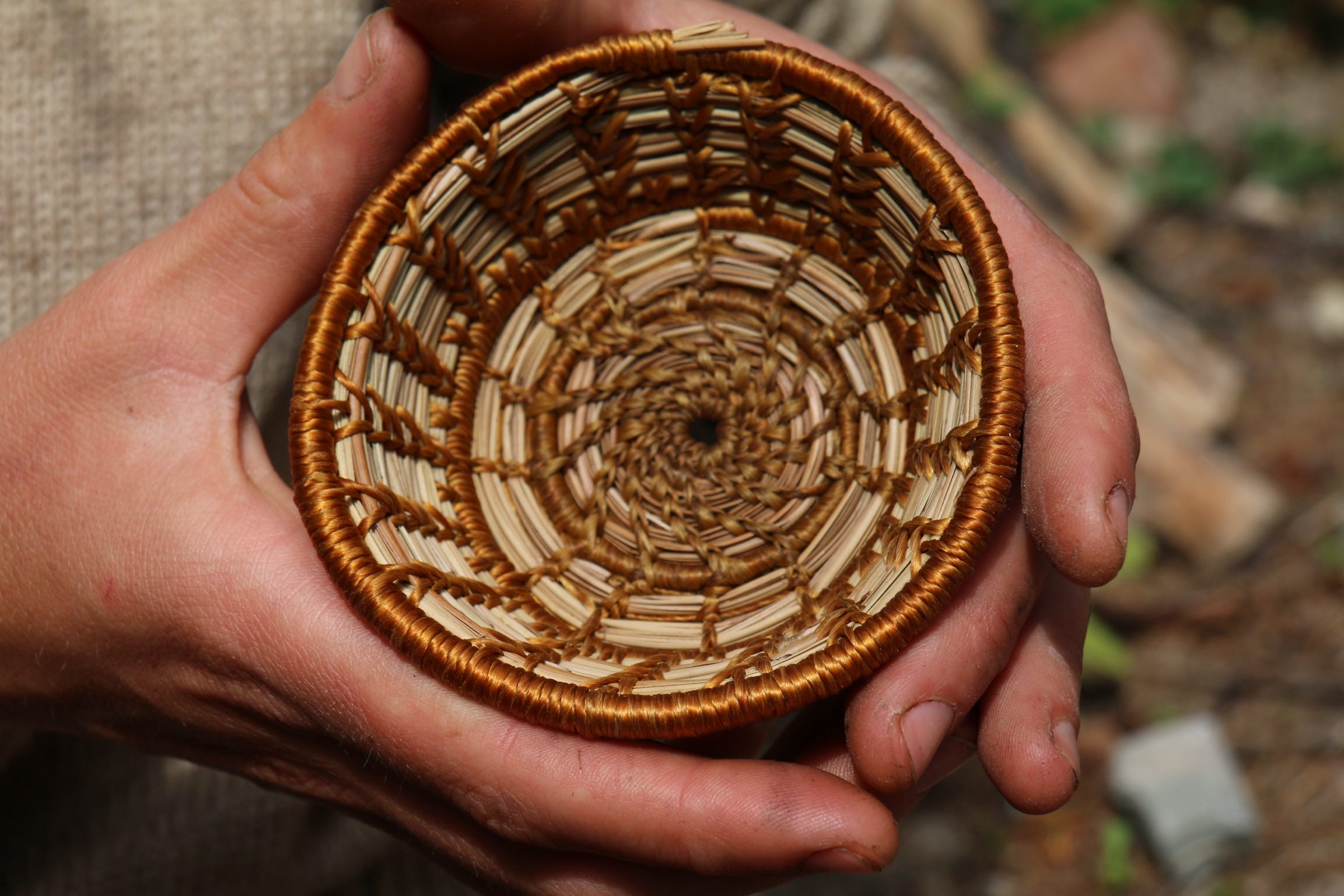
I’ll be making a tutorial on pine needle baskets next:
And then I’ll be exploring the season of gifting, as I’ve come to understand it through my Ojibwe teachers and through a family friend from Finland. I’ll be publishing a piece on whitefish runs and the hirvijahti tradition, the communal Finnish moose hunt.
This time of year has always felt like a threshold to me. The work of summer comes in from the fields and forests. The freezer fills. Wood gets stacked. Jars line the shelves. We gather around tables again.
Across northern cultures, autumn has long been a season of harvest and celebration, but also of remembrance: of giving thanks for what carried us through another year and honoring the people, human and more-than-human, who made our lives possible.
In gratitude,
~Lena
Brilliant musings. It's good to know where you are and receive invitations via your questions for my own thoughts and feelings.
I’m finding overlapping themes with my sojourn to the Nordic countries this summer. We visited the Viking museum in Roskilde, Denmark. The ancient ships and reconstructed ones they sail. With roots in the forests of Northern Sweden. I’m a painter and a disenchanted environmentalist. You are doing such interesting and unique work.