
Table of Contents:
Cottonwood Lore -European, American
How to Identify and Gather Cottonwood Buds
The Act of Gathering as Medicine
Making Medicine- Choosing an oil, hot Infusion vs. cold infusion & instructions
I love March. The twilight lingers as the earth spins towards the equinox. Dusky pinks and blues in the sky refract in the ice crystals on the mountains and the lakes. The moon rises, an earth-egg cradled in the cosmos, milky and full. The land is still quiet under a restful blanket of snow. But the birds begin to stir: owls mating, flickers ki-ki-ki-ing, snow geese returning in long v-flying formations. I imagine the sun returning on the snow geese’s brilliant white backs.
This is the time I collect my base for my most vital medicine, from the bud of the cottonwood tree. Timing is everything. I pick them right as the sap starts running, and before they break into leaf.

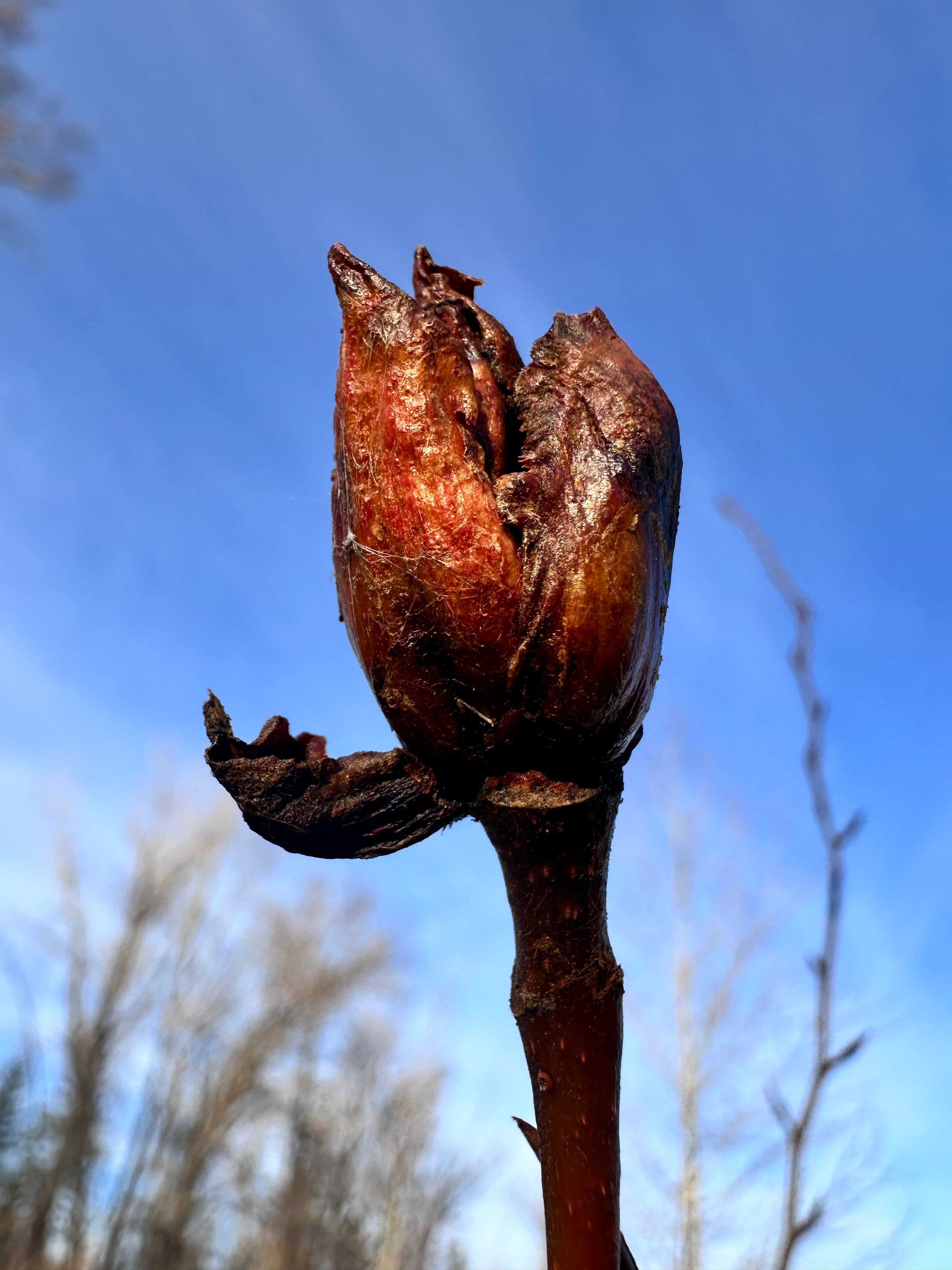
Even while snow still lingers, the buds, fat and sticky, swell with the promise of what’s to come.
They are spicy sweet and resinous like honey.
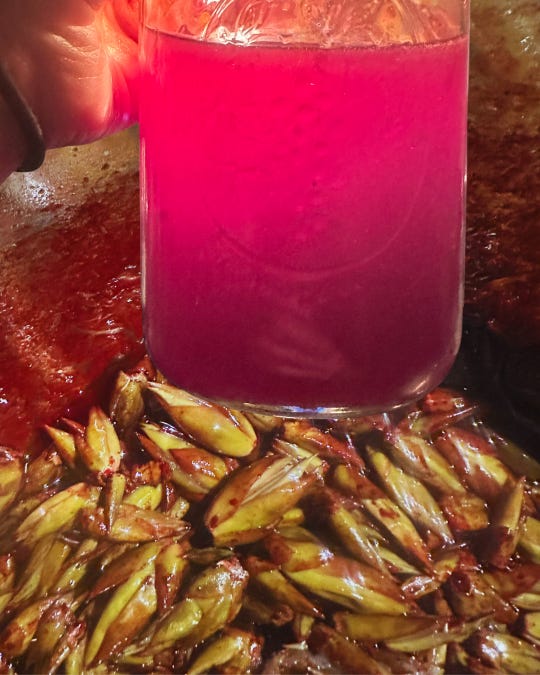
These buds carry potent healing properties: they’re rich in salicylates, the natural compound that inspired aspirin. Used as an infused oil or salve, they can ease swollen tissue and overheated conditions of the body, like sore muscles and joint pain. They also promote wound healing and can soothe and speed the healing of herpes sores, dry skin, and minor burns.
I have scoliosis, a rod, 5 metal screws in my top lumbar, lower thoracic spine, and a severe pelvic rotation. You know you’re in trouble when the technician shows you mercy after an x-ray. I use this salve on a daily basis to help fight inflammation and pain. Believe me, it works. I like to gift the medicine I make, and have received feedback and a guarantee on all of the ailments I listed above.
Cottonwood Lore
European
In the damp hush of early English spring, medieval gatherers reached for the swelling buds of Populus nigra and Populus alba. Monastic healers and village apothecaries steeped them slowly into rendered fat, coaxing out their balsamic scent to make Unguentum populeum, a salve for bruised skin, aching joints, and the wind-chapped hands winter leaves behind. Herbal writers like John Gerard and Nicholas Culpeper recorded the medicine’s virtues carefully in ink made from oak galls and rusty iron:
Gerard, in his 1597 Herball notes: “The clammy buds hereof before they spread into leaves are used in ointments, and are good to take away inflammation and to ease the paine of the gout.” He records the salves inclusion in remedies for hemerrhoids…(It’s a relief for me just knowing it’s an age-old problem).
Culpeper wrote in 1653, in the Complete Herbal: “The ointment of the buds is very effectual for all heat and inflammation in any part of the body, and for piles.” Culpeper also frames poplar as governed by Saturn, giving it a cooling and restraining quality in mideival humoral medicine.
Four hundred years earlier, in the cloister gardens along the Rhine, the Christian mystic Hildegard von Bingen wrote of poplar as a tree of coolness, a quieting presence in a body overheated by fever or rage. Though she did not linger over the sticky buds themselves, she understood the tree’s gentle power to soften inflammation and settle excess fire. In her vision of medicine, every plant carried temperament and spirit. Poplar, growing near water and wind, held a kind of damp mercy.

Poplars, which often grow along rivers and floodplains, move such tremendous volumes of water through their bodies. Each summer day, a full-grown cottonwood draws up hundreds of liters of water and exhales it to the sky. The river climbs through the tree, leaf by leaf, returning to the air. This is an ionic (electric) process. Roots absorb mineral nutrients like calcium, potassium, magnesium and nitrate as charged particles. When ions move across root cell membranes, they create tiny voltage differences. These electro-chemical gradients power transport. Inside the tree, every cell maintains a voltage across its membrane. This potential allows for signaling, growth regulation, wound response, and stress adaptation. When a branch is cut or a leaf is damaged, electrical signals propagate through the plant tissue within seconds, coordinating a response.
So when we speak of a tree’s “field,” we are not speaking metaphorically. A living tree produces measurable bio-electric activity as part of normal metabolism. When we stand among trees, we are in the presence of living systems pulsing with charge and exchange.
In parts of rural England and across lowland Europe, black poplar (Populus nigra) often stood along riverbanks, hedgerows, and the edges of cultivated land. It is a tree of thresholds. Growing where water meets field, where floodplain meets village, boundary trees in European folk tradition stood between the tended and the untamed, holding the line where one world softened into another.
American
Across many Indigenous nations of the Plains, Plateau, Subarctic, and Great Lakes regions, including the Salish, Kootenai, Blackfeet, Crow, Cree, and Ojibwe peoples, cottonwood and balsam poplar have long been gathered as medicine. The rich and fragrant resin is infused into animal fat for salves used on cuts, burns, wind-chapped skin, and aching joints, and in some traditions prepared to support the lungs during lingering winter illness.
Yet the medicine is not only in the chemistry of the resin.
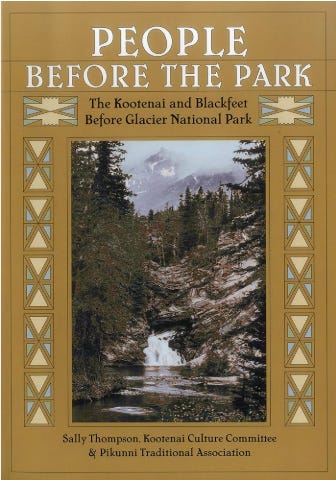
Cottonwood plays a huge role in daily traditional life for many of these people. Along the river bottoms of the northern Plains, cottonwood is an essential tree in Blackfeet life. As described in People Before the Park, Blackfeet gathered the wood for fuel to burn inside tipis, where a steady, manageable fire kept the lodge safe and warm and the people well fed. Cottonwood does not flare or spark like many conifers, which is well suited to a hide lodge. In the book the Kootenai Cultural Committee describes eating cottonwood cambium in the spring time as a food source.
In some Plains traditions, including among the Blackfeet Nation and the Crow Nation, cottonwood is recognized as a tree of deep ceremonial importance. While specific ceremonial teachings are held within communities and not shared publicly, it is widely acknowledged that cottonwood can be used in the construction of ceremonial lodges in certain contexts. This significance extends beyond utility; the tree is approached as a living being, and their use is governed by protocol, respect, and responsibility. What can be said, and what must remain unsaid, is part of the teaching itself.
I’ve personally used cottonwood to make burn bowls- using coals from a fire to carve a bowl in a round of wood. Spoons made this way are also beautiful. In friction fire, the soft, even wood powders easily beneath a spindle, forming the ember. The shredded bark cradles that coal and carries it into flame.
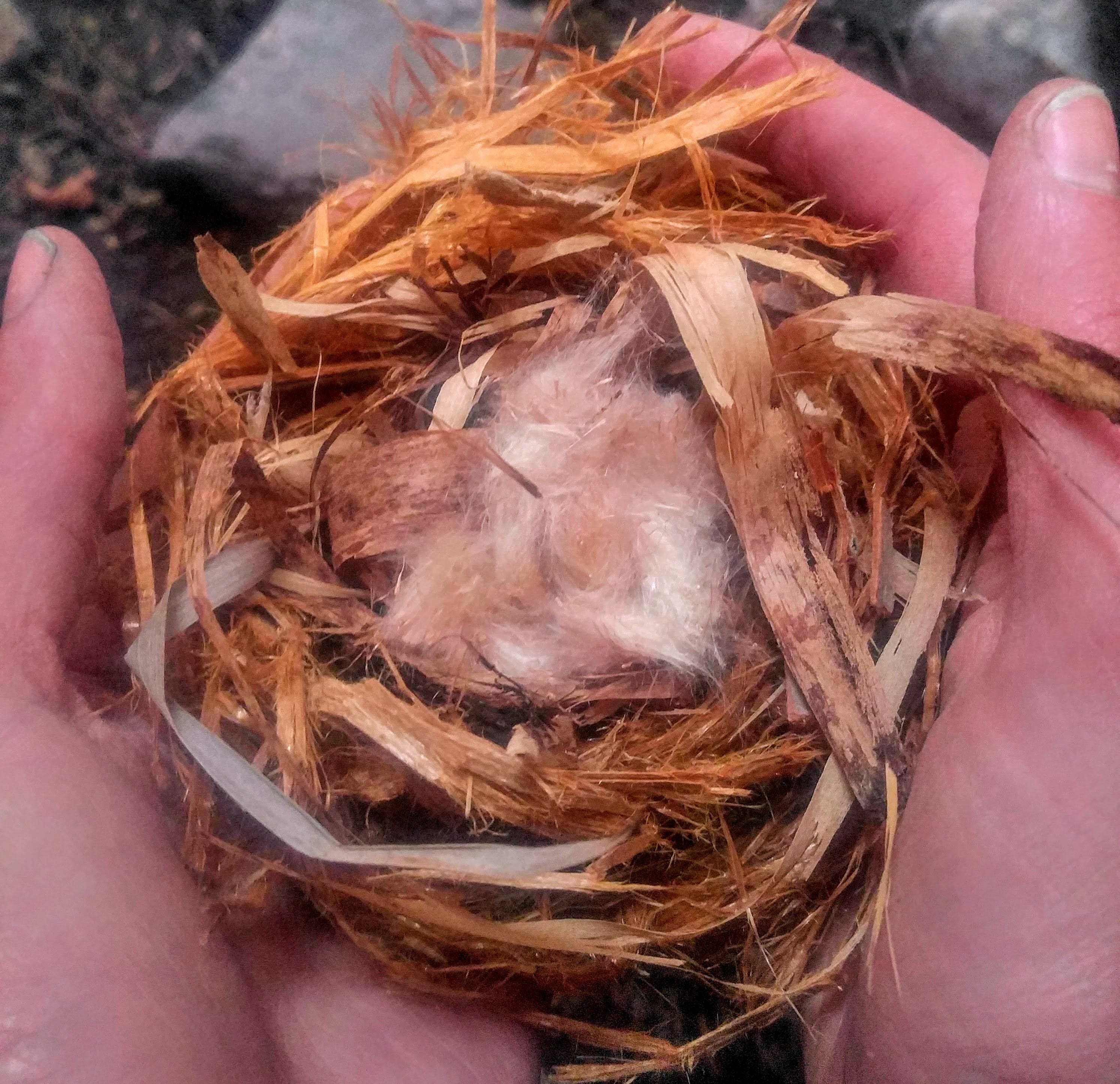
The wood is soft, lightweight and sturdy. Along river valleys, cottonwood’s workable wood became what was needed: a fire-board, a cradle, a drum frame, sometimes loom parts. Shaped by hand because they yielded to the knife. In this way the trees are an intimate part of life along the rivers where they grow.
To gather these tree buds is to move slowly and to tune into small shifts. The way the light lingers just a little longer, the way birdsong returns in threads. Somewhere out there, the bears are waking too. I’ve witnessed bears eating the cottonwood buds after coming out of hibernation, seeking the rich medicine their bodies need to ease back into motion. This is medicine for the body waking up after winter. It helps us prepare for the work that needs to be done in the year to come.

Traditional Ecological Knowledge across the Americas regard bears as a guide to medicinal wisdom. Bears have long been recognized by Indigenous peoples across the Northern Hemisphere as kin, as healers, and as keepers of knowledge. In many cultures, it is said that people first learned about healing plants by observing bears. Bears treat themselves with plants. We come to our wild medicines through observation, relationship, and lived experience.
If you would like to know more about this connection, I have a blog post here about wild crafting ethics and our relationship with Bear. To follow the bear’s path is to walk with reverence, with listening, and with deep-rooted memory.
I would not advise gorging on cottonwood buds as a human, but do invite you to nibble or try one cottonwood bud. You will experience a fire in the belly!
How to Identify and Gather Cottonwood Buds
Look for black cottonwood (Populus trichocarpa) or balsam poplar (Populus balsamifera), both common in North America along rivers and moist valley bottoms. If you don’t get to harvest cottonwood buds on time, you can chase spring up the mountains by finding cottonwoods along creek beds and wet meadows.
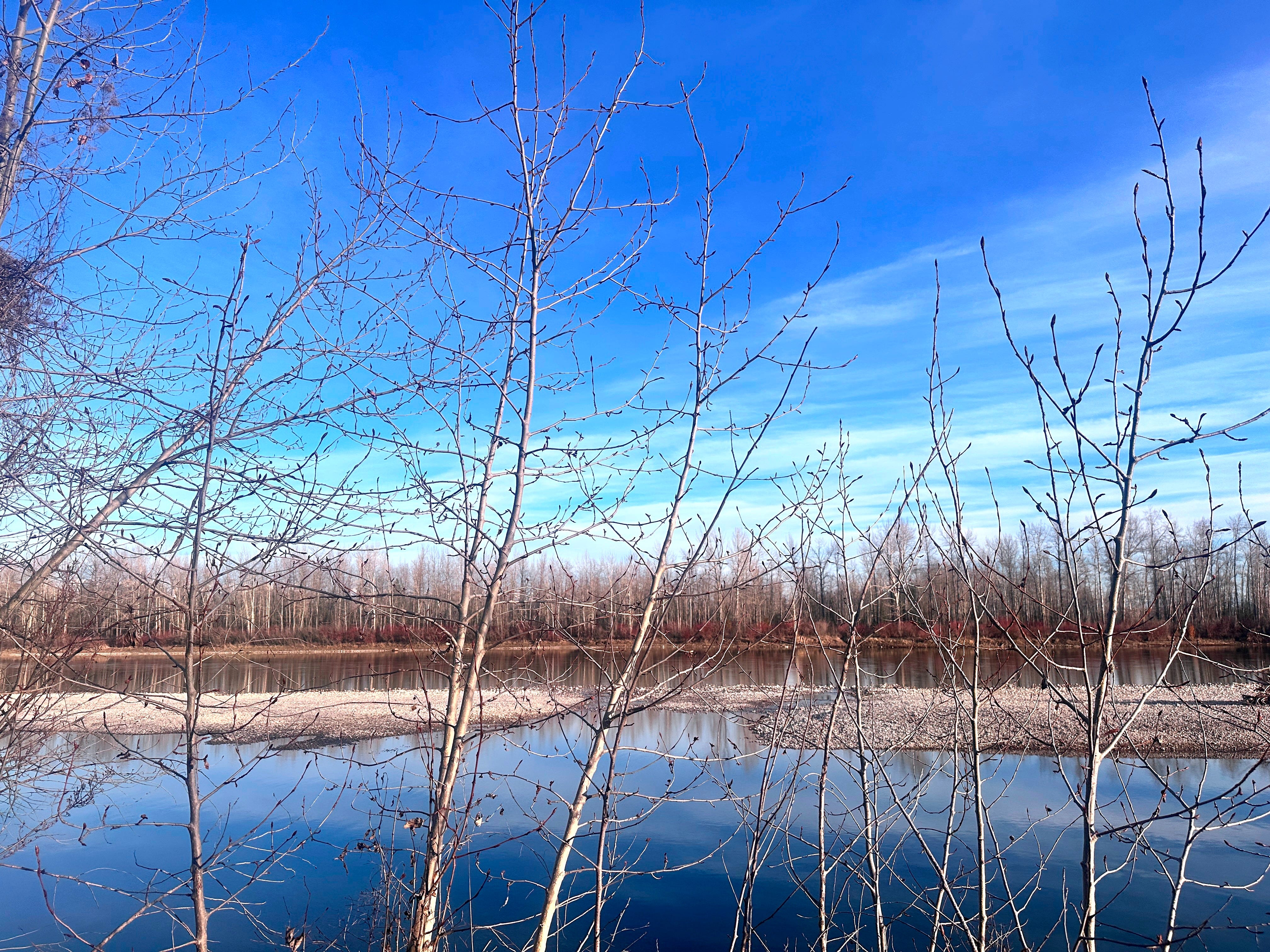
The buds:
Appear reddish-brown and are resinous and sticky to the touch.
Have a strong, sweet, almost intoxicating smell—like honey and cloves.
Are found at the ends of twigs before the leaves emerge.
Harvesting Notes
Look for wind-fallen branches. The most sustainable and abundant harvests often come from what the wind has already offered. Walking up a creek or river wash often reveals fallen limbs or whole trees that have slid from the bank. I prefer whole trees, because they have enough stored energy to keep growing. These are gifts of timing and terrain.
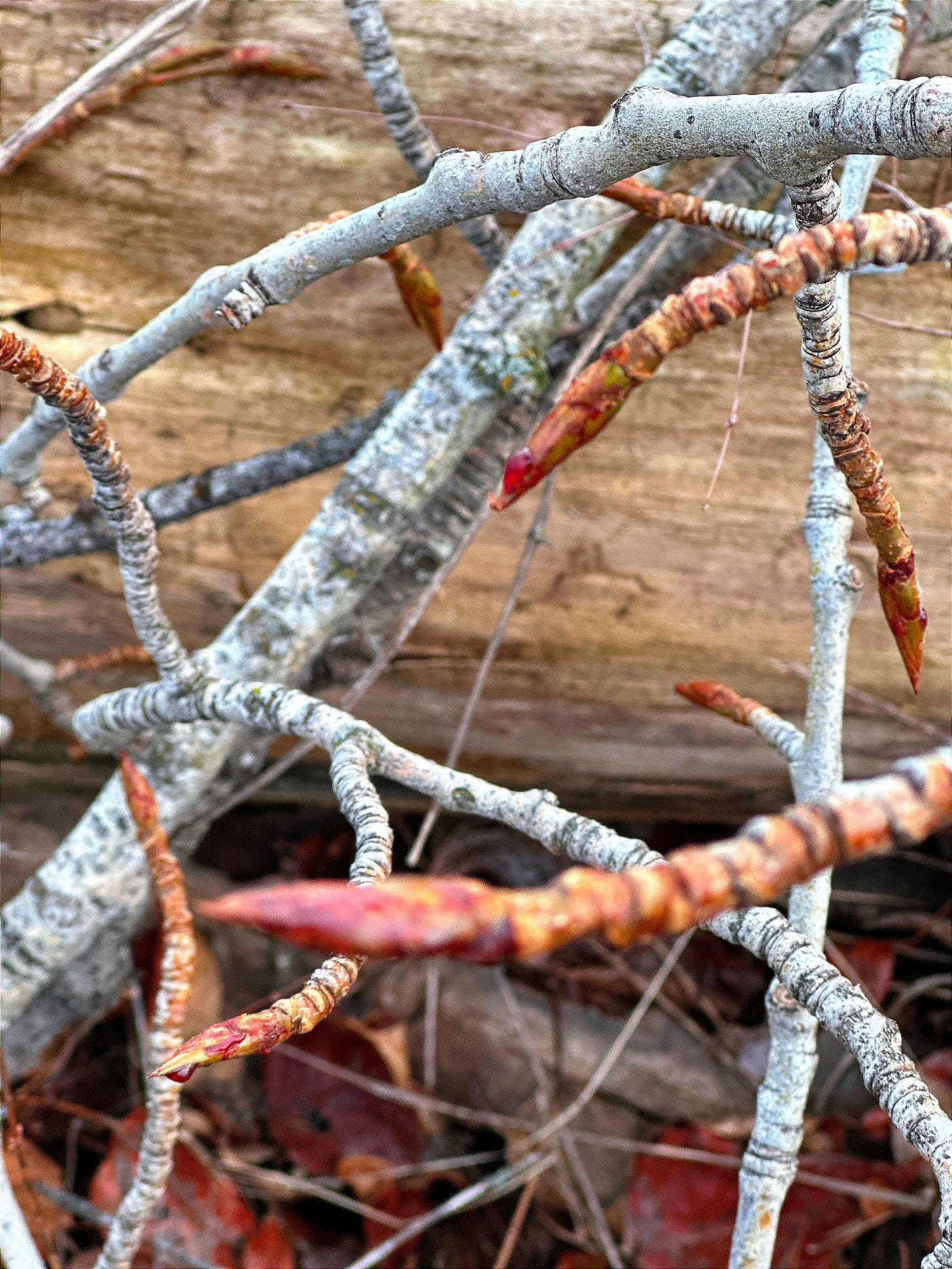
These wind fallen branches are perfect! The sap is so red and gorgeous, and the leaves are still fresh and green. If you do take from a living tree- always harvest ethically. Never strip a tree. Take buds from “suckers”—those twiggy clusters that sprout from the trunk—or from shaded buds that won’t receive enough light to thrive. Think of this like pruning. Prioritize gathering from older, well-established trees that can spare the abundance.
Reciprocity is a responsibility, and it is a lived relationship. I often tend the tree in return by removing deadwood or broken branches, offering care as I receive medicine. Tending the wild is a skill all of our ancestors understood and practiced out of necessity. Learning how to care for the plants we are harvesting ensures their perpetuity, and more vital medicines for generations to come. Speak to the tree. Leave a gift, sing a song, or offer thanks in your own way.
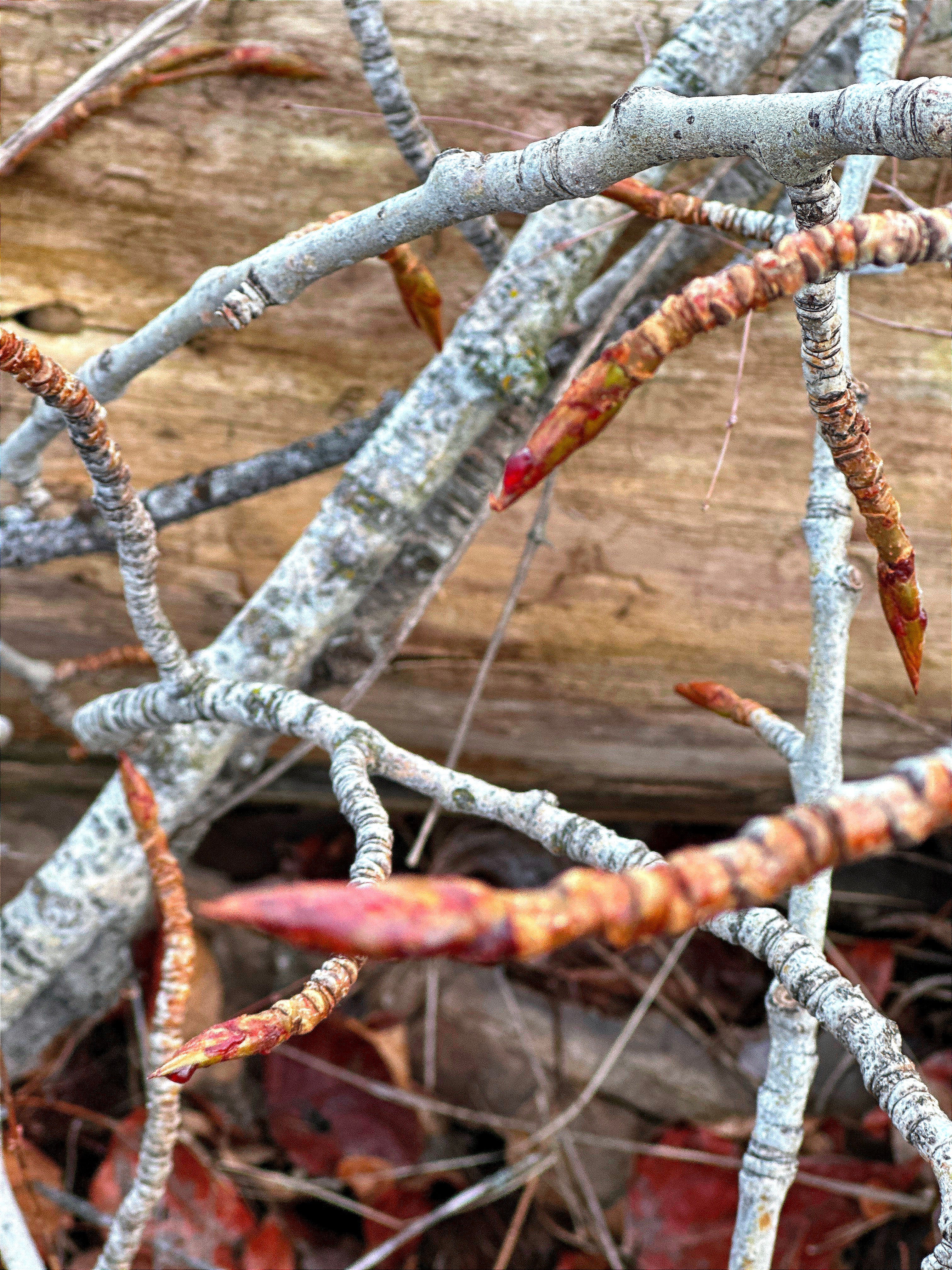
Timing is everything. Late winter to very early spring is the ideal window—typically February to March depending on your climate- when the sap begins to rise. In northwest Montana, I begin harvesting Cottonwood buds around mid-March. You can also harvest buds in the fall, or any time you find a fallen branch in the winter.
Know what to look for. Healthy buds are sleek, shiny, and resinous to the touch. When you gently pull them apart, you’ll find tender green leaves tightly folded inside, waiting to unfurl.
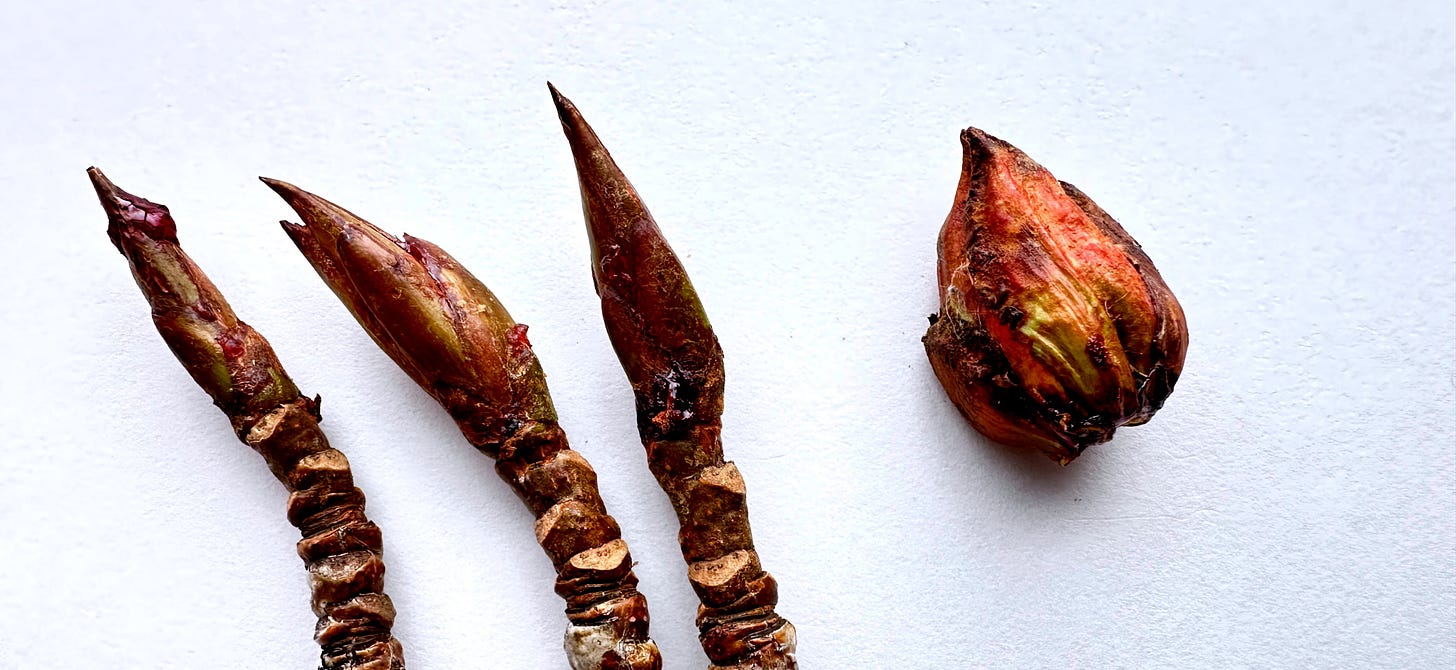
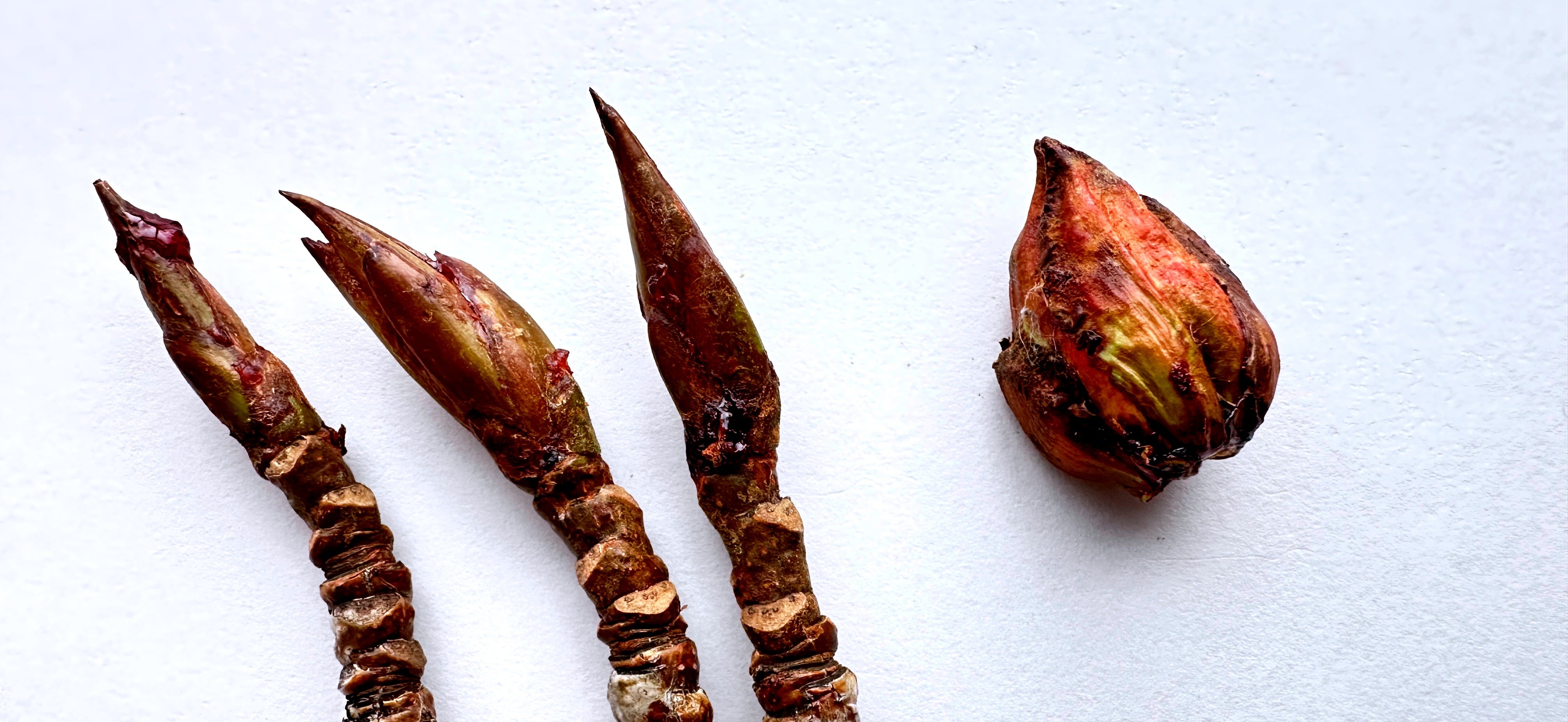
3 healthy buds next to an infected bud. 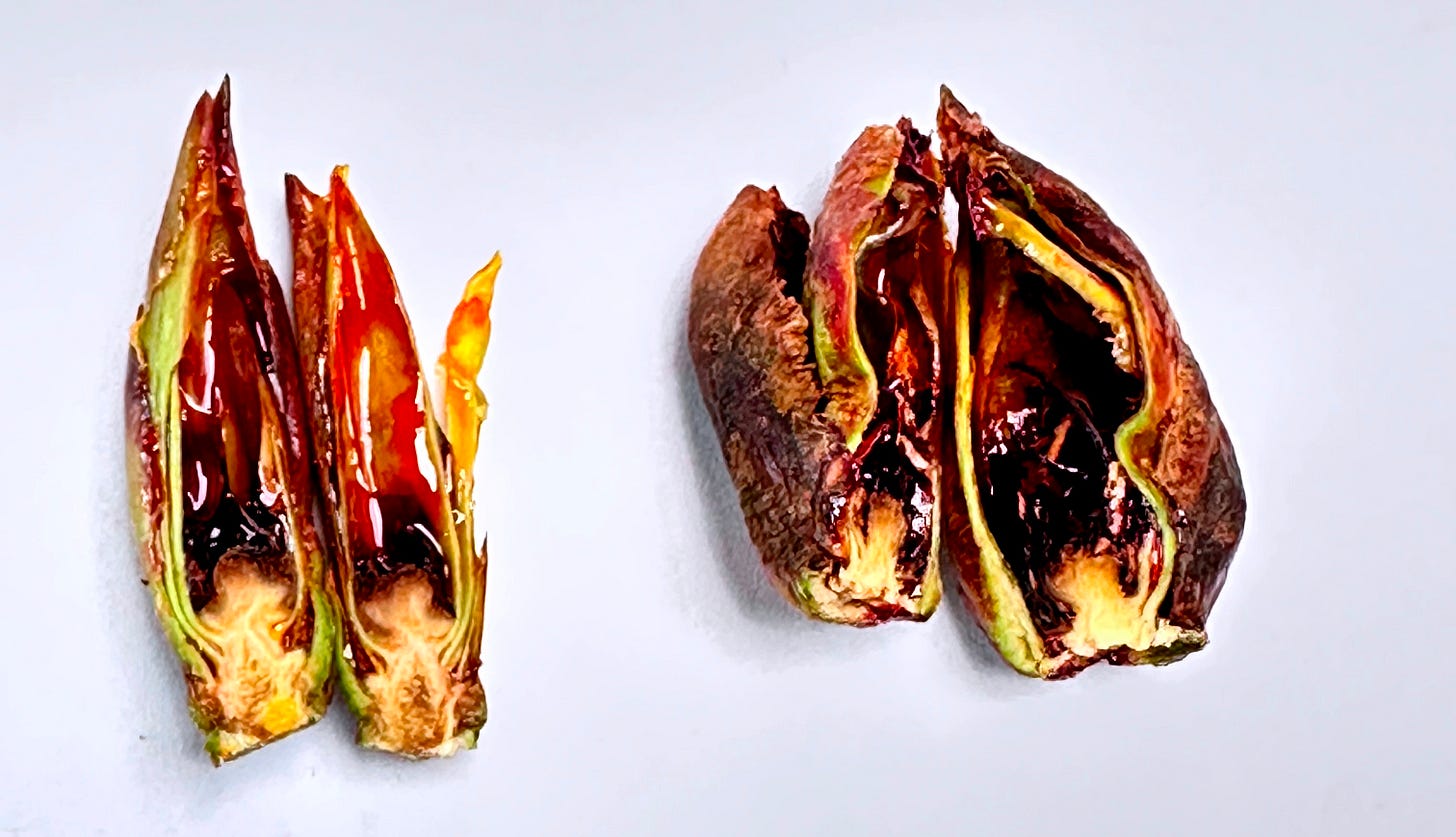
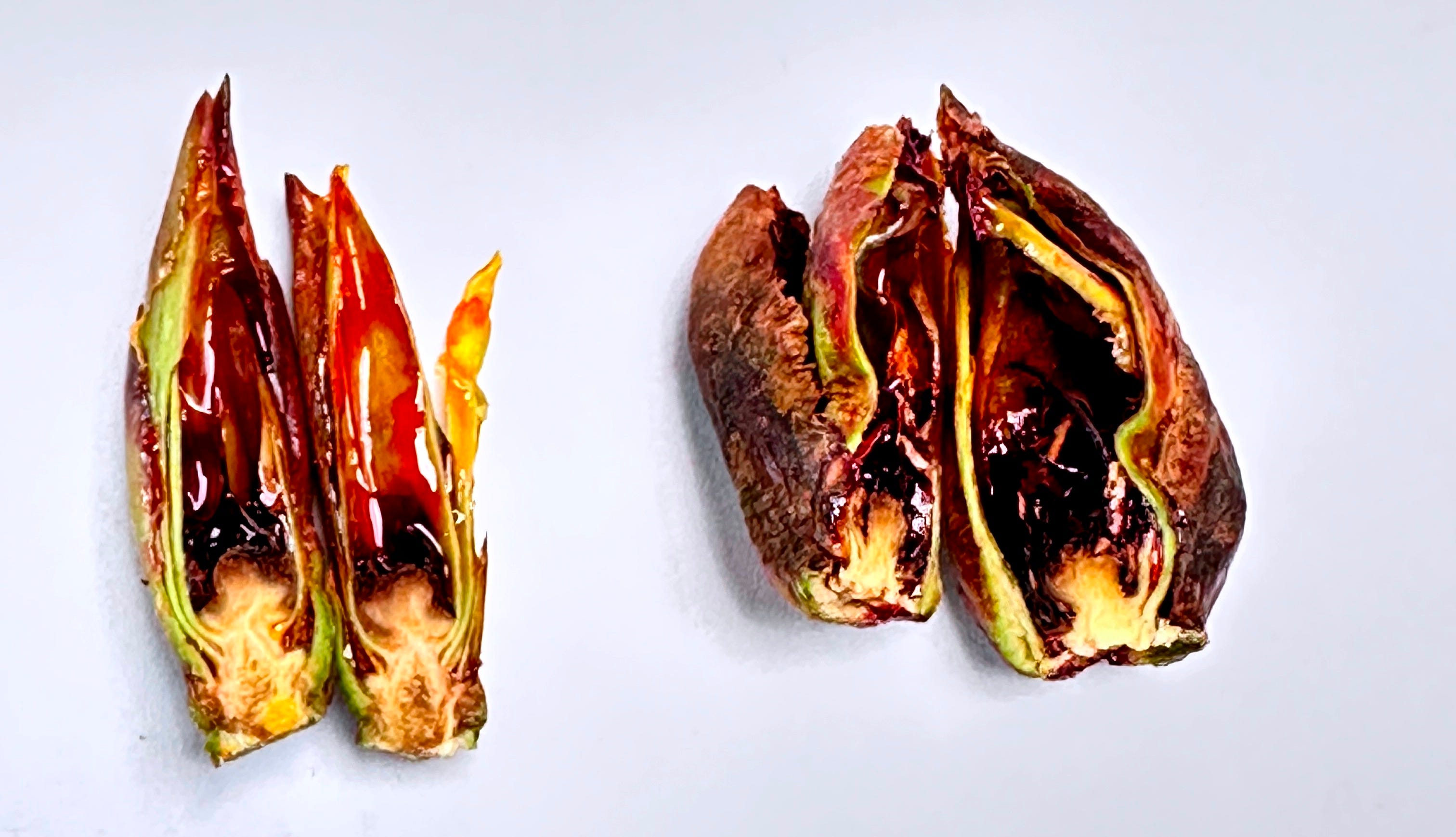
A dissection of a healthy bud vs. the infected bud. In the healthy bud, the sap is red and vibrant. In the infected bud the sap is black. If you are unsure if your buds are fresh or not, pick one apart to inspect the sap. Avoid unhealthy buds (and prune them when you find them!). Buds that are past their prime or affected by fungal issues often appear swollen or brittle. Their resin may be dry, flaky, or have an off-smell—less like honey and more sour or musty. Some fungal infections are bright orange. If you peel them open, the leaves inside may be brown, black, or shriveled. Leave these behind; they’re not viable for medicine and are a signal to look elsewhere on the tree.
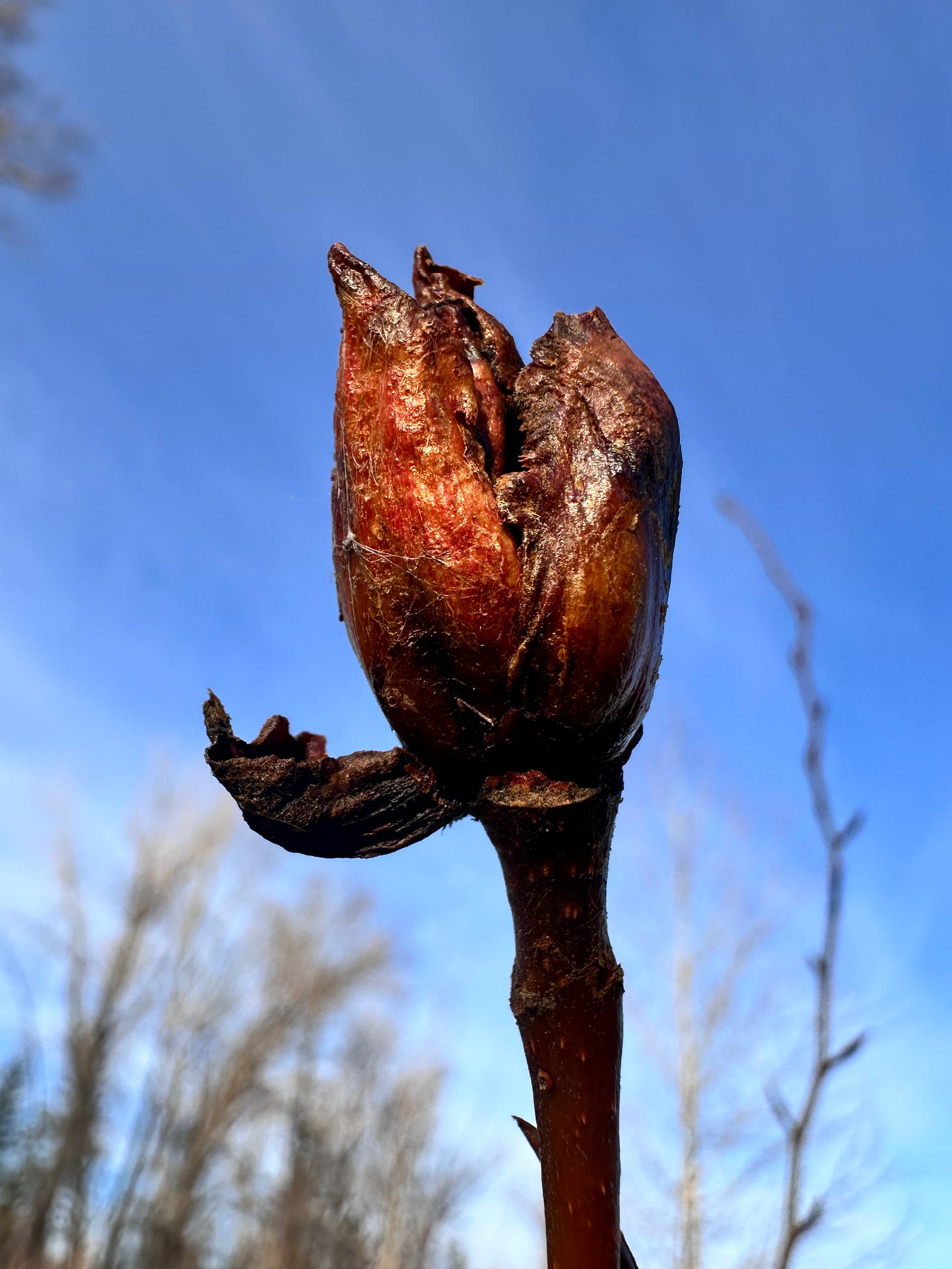
An infected bud in the wild.
The Act of Gathering as Medicine
Much of the healing in medicinal salves begins with the act of harvesting itself. Gathering Balm of Gilead can be a prayer of patience and presence. It is an invitation to gently awaken after a season of stillness.
Spending time in the woods engages your body, mind, and immune system. Walking outdoors supports physical health, and simply being among trees can help regulate your nervous system. Whether through chemistry, light, pattern, or something we do not yet fully measure, our nervous systems tend to soften in their presence.
When we move through the forest with respect, pausing to thank a tree or tend to a broken branch, we’re participating in relationship with our more-than-human kin. The ego-driven “self” softens. This can be useful if we find ourselves stuck in thinking loops. We remember that the self is not solitary but shared, no longer the center, but a thread in a living web. The act of caring for our environment can help us feel that we belong, have meaning and purpose.
Then there is the practice of gratitude itself. Regular gratitude practice has been shown to lower cortisol (the stress hormone) levels. It helps re-frame negative thinking and promotes resilience during difficult times, which can lower our risk of depression. These qualities also benefit the body: grateful people often experience lower markers of inflammation, likely tied to reduced stress and improved emotional states. Lower stress also enhances immune function. Some research links gratitude with better cardiovascular outcomes, including lower blood pressure and improved heart rate variability.
It can be hard to do these practices on your own, especially if there is no stimulus to elicit gratitude or tending something outside of our relational “sphere”. Trees can be great companions in these practices.
Let this be a time to reawaken after winter. Move slowly. Notice the details. These buds formed over many months. They ask for our presence, not our speed. Let your thoughts soften. Let your breath match the rhythm of the river.
Making Medicine
Infused oil:
Choosing your oil and handling it properly is of the utmost importance. Most folks don’t realize that oil can go rancid. Balancing choice of oil, cleanliness, climate and organic matter can be a delicate process.
Luckily the cottonwood resin is anti-fungal and can help, but there are a few more tricks to ensure success.
Choose an oil to work with:
Jojoba- shelf life: 3–5 years. Extremely stable. Resistant to rancidity. Absorbs well without feeling greasy. Excellent for facial salves or chest rubs
Olive Oil (extra virgin, fresh)- shelf life: 1–2 years. Traditionally used in herbalism. High in oleic acid (stable). Easy to source. Choose high-quality, fresh oil — old olive oil goes rancid faster than people think.
Fractionated Coconut Oil- shelf life: 2+ years. Very stable. Liquid at room temperature. Lighter feel than whole coconut oil, good if you want a non-greasy finish.
Tallow (Rendered Fat)- shelf life: 1+ year if properly rendered and stored cool. Extremely stable saturated fat. Historically accurate for both European and Indigenous preparations. High in vitamins and deeply nourishing for dry or cracked skin.
Oils to avoid, these go rancid faster due to high polyunsaturated content:
Grapeseed oil
Hemp seed oil
Rosehip oil
Flax oil
You can insure against rancidity by adding vitamin E oil or rosemary antioxidant extract (ROE) to any carrier oil.
Choose a method for extraction:
Cold infusion:
Maximum oxidation control: Lower temperatures mean slower oxidation. Heat accelerates oxidation reactions — even mild heat — so removing heat removes that variable.
Longer potential shelf life: Because you’re not increasing molecular movement through heat, you reduce early-stage oxidative stress on the oil.
Preserves volatile aromatics: Cottonwood buds contain fragrant balsamic compounds. Slow extraction preserves subtle top notes better than heat.
Hot Infusion:
Faster resin extraction: Heat increases molecular motion, helping oil penetrate plant tissue and dissolve resins more efficiently.
Stronger immediate potency: Cottonwood resin is sticky and dense — gentle warmth helps pull more of it into the oil.
Useful in humid climates: Shorter infusion time can reduce exposure to ambient moisture over weeks. Less risk of rot or fungus.
Can Speed up Oxidation in Fats- Tallow is heat rendered, so can handle a hot-process more effectively than a vegetable oil. An extra virgin olive oil must be warmed very carefully. All oils must be warmed carefully, stored cool, and used within the year.
Prepare the Buds
Spread them out for 24–48 hours to allow surface moisture to evaporate. Pick a towel you don’t mind getting sappy, or use paper towels.
Do not wash them.
Lightly bruise or crush just enough to expose resin (optional but helpful).
Moisture is the main enemy of shelf life.
Cold Infusion Process
Fill a sterilized glass jar to 3/4 with fresh buds (do not pack tightly).
Cover with oil of choice.
Weight the buds below the oil. I like to use a steel spring for fermentation purposes, to keep the buds below the oil. This can be a shot-glass or small dish in the jar.
Place in a warm spot in the house and stir every other day for 4-6 weeks, although I’ve seen some salves go for a year (not recommended though).
Hot Infusion Process:
Place a cloth or jar ring at the bottom of a pot.
Set jar inside. Add water to reach halfway up the jar.
For vegetable oils: keep water temperature between 100–140°F (38–60°C). Do not exceed 140°F.
Maintain for: 4–8 hours total
OR1–3 days at lower heat (in a yogurt maker or dehydrator set to ~110°F)
For Tallow: Tallow tolerates higher heat than vegetable oils, but for infusion it’s still best to keep temperatures below 200–250°F (93–120°C) to preserve the resin’s aromatics.
Infusion process can be anywhere from a half hour or as a long as you like.
Straining:
Strain through fine mesh.
Press buds firmly — cottonwood resin is thick. Any leftover plant matter shortens shelf life.
Then strain again through muslin or coffee filter. (optional)
Isopropyl alcohol will help clean your pot or jar of the sticky resin.
Uses:
Balm of Gilead oil is anti-inflammatory, antimicrobial, and pain-relieving.
It soothes sore muscles, dry skin, wounds, and sunburns.
Many people use it topically to support healing of herpes sores (Type I and II), and I’ve received encouraging feedback from friends who have tried it.
The scent alone is calming: an excellent anointing oil for transitions, grief, or renewal.
March’s Invitation:
If you’re in a moment of transition or awakening March can be a pilgrimage month. The month is liminal, held softly between ice crystals and rays of light that linger ever longer. Draw from the quiet like a deep well. Bathe in the sun beams when you can. Cradle those tiny hopes and dreams, as Mary Oliver says, close to the bone. Let your walks be rituals. Let your hands learn from the trees. Listen for what is just beginning to stir beneath the bark, and within your own heart.
In Blackwater Woods

In Blackwater woods
Look, the trees
are turning
their own bodies
into pillars

of light,
are giving off the rich
fragrance of cinnamon
and fulfillment,

the long tapers
of cattails
are bursting and floating away over
the blue shoulders

of the ponds,
and every pond,
no matter what its
name is, is

nameless now.
Every year
everything
I have ever learned

in my lifetime
leads back to this: the fires
and the black river of loss
whose other side

is salvation,
whose meaning
none of us will ever know.
To live in this world

you must be able
to do three things:
to love what is mortal;
to hold it

against your bones knowing
your own life depends on it;
and, when the time comes to let it
go,
to let it go.
-Mary Oliver, American Primitive, 1983.
If this medicine speaks to you, I’d love to share more. Your subscription supports a working artist dedicated to her community, both locally and through the web.
The Woman Who Married a Bear: Mytho-poesis and Wildcrafting Ethics

“I’ve heard the bears aren’t asleep yet.” I stand at the window, watching an unseasonable deluge of rain pour into the swelling Swan River. The snow that sloughed off the roof has already pooled into puddles. The snow pack dwindles up the mountainside toward seven thousand feet.
You've written a beautiful weaving of knowledge, tradition, and heart.